
Mandarin learning guide
Learn with 才子
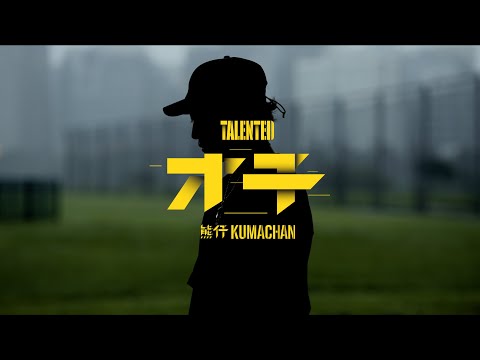
This guide follows the song’s repeated “才子” refrain and the surrounding lines about family comments, public doubt, and personal response. It focuses on how the lyrics mix Mandarin, English, slang, and everyday speech to build a clear voice.
What to listen for
The lyrics circle back again and again to 才子, using it as a refrain while the surrounding lines move through family remarks, social pressure, online criticism, and self-assertion. The song also mixes Mandarin with English phrases and playful slang, so it is useful for noticing how a lyric can shift between direct speech, mockery, and confident reply without changing the central topic.
- Recognize how the repeated refrain 才子 frames different lyric sections.
- Understand key phrases for family pressure, criticism, and self-confidence in context.
- Identify common mixed-language lyric patterns such as inserted English words and playful spoken lines.
How the song moves
Opening refrain
The song starts with repeated 才子 and moves quickly into a New Year's dinner scene and a life-crisis comment.
Criticism and pushback
Later lines describe haters, teasing, and skeptical questions before answering with repeated proof and confidence.
Family and life path
Several verses quote family members warning about talent, music, and practical life, then the lyrics answer by showing results and support.
Closing assertion
The ending returns to the idea of finding a calling and contrasts it with being jobless, keeping the tension grounded in the lyric text.
Translation choices
年夜饭一年一度
- Natural English
- New Year's Eve dinner, once a year
- Why
- This keeps the calendar-specific meaning of 年夜饭 and the frequency marker 一年一度 without adding extra emotion or explanation.
酸民在嘻哈版一个个等著
- Natural English
- Online haters wait one after another on the hip-hop board.
- Why
- The reviewed English says hip-hop scene, but 版 is more naturally a forum or section; 'waiting one by one' keeps the sense of grouped anticipation.
总有人会低估你才华的价值
- Natural English
- There will always be people who underestimate the value of your talent
- Why
- This preserves 总有, the impersonal generalization, and 才华的价值 as a phrase about talent's worth.
Useful Mandarin from the song
还没 signals that an action has not happened by a reference point. Here it introduces a scene where the chopsticks are not set yet.
This fixed expression is used for disappointment mixed with concern. In the lyric it appears as a repeated complaint from an uncle.
其实 often softens a correction or reveals the real point after a description. Here it shifts from sound distortion to the real wish behind it.
低估 is a useful verb for judging something as less important or less capable than it is. In this line, it applies directly to talent's value.
Listen closely
- Listen for the repeated 才子 lines as a reset point that separates different examples and reactions.
- Notice how short English inserts such as life crisis, Watch me prove them wrong, and I'm jobless... interrupt the Mandarin flow without changing the lyric's topic.
- Pay attention to lines that sound like quoted speech from family members; the lyric often shifts into reported speech before returning to the refrain.
Check your understanding
Which line shows the idea of being underestimated, and what does it mean in this lyric?
Show answer
总有人会低估你才华的价值; it means people may underestimate the worth of your talent.
What does 恨铁不成钢 express in the uncle lines?
Show answer
It expresses frustration that someone is not becoming what others hoped they would become.