
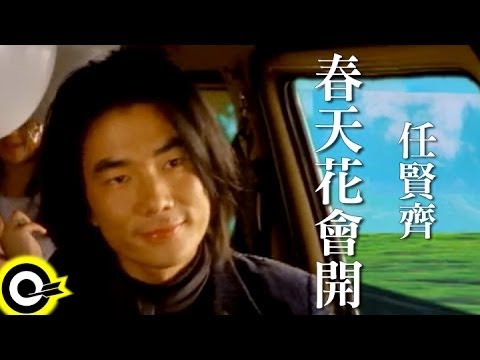
春天花会开

Chun Tian Hua Hui Kai

(接下来为您献上 春天花会开 我的爱)
(jiē xià lái wèi nín xiàn shàng chūn tiān huā huì kāi wǒ de ài)
Next, we present to you 'The Flowers of Spring Will Bloom' my love.
春天花会开 鸟儿自由自在
chūn tiān huā huì kāi niǎo ér zì yóu zì zài
In spring, the flowers will bloom, and the birds are free and at ease.
我还是在等待 等待我的爱
wǒ hái shì zài děng dài děng dài wǒ de ài
I am still waiting, waiting for my love.
你快回来
nǐ kuài huí lái
Hurry back to me.
总是假装不经意 经过你家大门外
zǒng shì jiǎ zhuāng bù jīng yì jīng guò nǐ jiā dà mén wài
I always pretend to casually walk past your gate.
期待你美丽的身影从远远地走过来
qī dài nǐ měi lì de shēn yǐng cóng yuǎn yuǎn dì zǒu guò lái
I look forward to seeing your beautiful figure walking toward me from afar.
我的天使 我的爱 为你不怕风吹日晒
wǒ de tiān shǐ wǒ de ài wèi nǐ bù pà fēng chuī rì shài
My angel, my love, I'm not afraid of the wind and sun for you.
偏偏命运如此地安排 只有路灯它笑我呆
piān piān mìng yùn rú cǐ dì ān pái zhǐ yǒu lù dēng tā xiào wǒ dāi
Fate has arranged things this way, only the streetlights laugh at my foolishness.
我的爱 我等待
wǒ de ài wǒ děng dài
My love, I wait.
你回来 分享我的爱
nǐ huí lái fēn xiǎng wǒ de ài
You come back to share my love.
冬天风雪来 花儿谢了依然会开
dōng tiān fēng xuě lái huā ér xiè le yī rán huì kāi
When winter brings snow, flowers wither but will bloom again.
鸟儿明年一样会回来 只有我等到双鬓斑白
niǎo ér míng nián yī yàng huì huí lái zhǐ yǒu wǒ děng dào shuāng bìn bān bái
The birds will return again next year, but I wait until my hair turns gray.
昔日相思树 亲手为你栽
xī rì xiāng sī shù qīn shǒu wèi nǐ zāi
In the past, I planted a tree of longing just for you.
依稀人影在 只是红颜改
yī xī rén yǐng zài zhǐ shì hóng yán gǎi
Vaguely, there are shadows, but only your beauty has changed.
你在哪里 我的爱 消失在茫茫人海
nǐ zài nǎ lǐ wǒ de ài xiāo shī zài máng máng rén hǎi
Where are you, my love? You've vanished into the vast sea of people.
现实总是有一点无奈 美好的结局慢慢期待
xiàn shí zǒng shì yǒu yì diǎn wú nài měi hǎo de jié jú màn màn qī dài
Reality is always a bit helpless; a beautiful ending is slowly awaited.
我的爱 我等待
wǒ de ài wǒ děng dài
My love, I wait.
你回来 分享我的爱
nǐ huí lái fēn xiǎng wǒ de ài
You come back to share my love.
春天花会开 鸟儿自由自在
chūn tiān huā huì kāi niǎo ér zì yóu zì zài
In spring, the flowers will bloom, and the birds are free and at ease.
我还是在等待 等待我的爱
wǒ hái shì zài děng dài děng dài wǒ de ài
I am still waiting, waiting for my love.
冬天风雪来 花儿谢了依然会开
dōng tiān fēng xuě lái huā ér xiè le yī rán huì kāi
When winter brings snow, flowers wither but will bloom again.
鸟儿明年一样会回来 只有我等到双鬓斑白
niǎo ér míng nián yī yàng huì huí lái zhǐ yǒu wǒ děng dào shuāng bìn bān bái
The birds will return again next year, but I wait until my hair turns gray.
(春天花会开) 你快回来
(chūn tiān huā huì kāi) nǐ kuài huí lái
(The flowers of spring will bloom) Please come back.
(鸟儿自由自在) 你赶快回来
(niǎo ér zì yóu zì zài) nǐ gǎn kuài huí lái
(The birds are free and at ease) Hurry back.
(冬天风雪来) 我要你回来
(dōng tiān fēng xuě lái) wǒ yào nǐ huí lái
(When winter brings snow) I need you to come back.
(我还是在等待) 你赶快回来
(wǒ hái shì zài děng dài) nǐ gǎn kuài huí lái
(I am still waiting) Hurry back.

Mandarin learning guide

Learn with 春天花會開

This guide follows a lyric voice that keeps returning to waiting, asking someone to come back, and comparing that waiting with the seasons. The language is simple enough to learn from, but it also uses vivid phrases like 路灯它笑我呆 and 双鬓斑白.

repetition and pleading; seasonal contrast; useful everyday verbs and phrases

What to listen for

The lyrics move between a hopeful seasonal image and a direct, repeated request for someone to return. They contrast spring, winter, birds, flowers, and time passing with the speaker’s persistent waiting. The repeated lines make the song easy to follow while also giving good examples of common Mandarin structures such as 还在, 期待, 依然, and 赶快回来.

  • Recognize how the song repeats key lines to build emphasis.
  • Understand how seasonal images are used to contrast hope and waiting.
  • Learn practical Mandarin phrases for asking someone to return or expressing ongoing anticipation.

How the song moves

Opening call

The lyric starts with a presentation-like line, then moves into the spring image and the speaker’s waiting.

Waiting and searching

Several lines describe the speaker standing by, looking for a return, and imagining the person coming closer.

Seasonal reflection

Winter, withered flowers, returning birds, and gray hair widen the time scale and show how long the waiting lasts.

Refrain and return

The repeated closing lines bring the focus back to the core request: come back and share the speaker’s love.

Translation choices

春天花会开 鸟儿自由自在

chūn tiān huā huì kāi niǎo ér zì yóu zì zài

Natural English
In spring, the flowers bloom and the birds are free.
Why
This keeps the two parallel images clear and concise, and it preserves the easy, flowing tone of the line.

总是假装不经意 经过你家大门外

zǒng shì jiǎ zhuāng bù jīng yì jīng guò nǐ jiā dà mén wài

Natural English
I always pretend to casually pass by your front gate.
Why
The phrase 总是假装不经意 suggests deliberate pretending, and 经过你家大门外 is naturally rendered as passing by your front gate.

鸟儿明年一样会回来 只有我等到双鬓斑白

niǎo ér míng nián yī yàng huì huí lái zhǐ yǒu wǒ děng dào shuāng bìn bān bái

Natural English
The birds will come back next year, but I keep waiting until my hair turns gray.
Why
This follows the contrast in the line: birds return on schedule, while the speaker’s waiting stretches on for a very long time.

Useful Mandarin from the song

期待qī dàito look forward to; to expect

This is useful for expressing hopeful anticipation. In the lyric, it points toward the speaker’s hope of seeing the other person arrive.

我期待你的回信。wǒ qī dài nǐ de huí xìn。I’m looking forward to your reply.
依然yī ránstill; as before

This word emphasizes that something continues despite change. Here, flowers bloom again even after winter and snow.

天气冷了,他依然去跑步。tiān qì lěng le, tā yī rán qù pǎo bù。It got cold, but he still goes running.
赶快gǎn kuàihurry up; quickly

This is a direct, urgent way to tell someone to do something soon. In the lyric it strengthens the plea to return.

你赶快来吧。nǐ gǎn kuài lái ba。Please come quickly.

Listen closely

  • Listen for the repeated core line 我等待 / 你回来, which anchors the song’s message.
  • Notice how 春天 and 冬天 create a clear contrast between hope and endurance.
  • Pay attention to the shift from gentle imagery to direct requests like 你快回来 and 你赶快回来.

Check your understanding

  1. Which line shows the speaker waiting for a long time rather than just once?

    Show answer

    我还是在等待

  2. Which phrase would you use to tell someone to return quickly?

    Show answer

    赶快回来

Lyrics and song titles remain the property of their respective copyright holders. Pinyin annotations, English translations and editorial language notes are provided for educational and reference purposes. Rights holders may contact us through our DMCA page.