
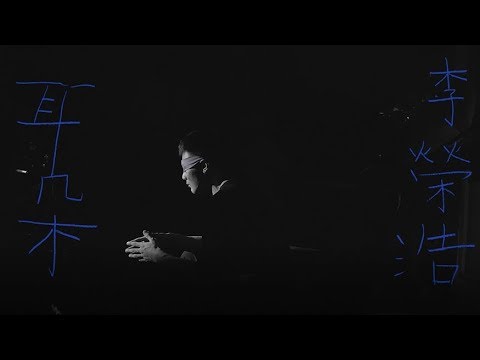
Mandarin learning guide
Learn with 耳朵
This guide uses the song's repeated listening imagery to practice everyday Mandarin around hearing, feeling, and noticing absence. The lyrics move between what the singer hears, what is missing, and how that missing feeling affects the body and mind.
What to listen for
The lyrics build a clear pattern around ears, hearing, and what is heard or missed. They start with attention to footsteps and the hallway, then shift to a quieter inner state where senses become dull, emotions become fragile, and a missing person is described more directly. The repeated refrains make the grammar and vocabulary easy to notice across different contexts.
- Recognize repeated hearing-related phrases and their contrast in context.
- Understand how negation and contrast shape the song’s meaning.
- Learn useful vocabulary for senses, emotions, and absence.
How the song moves
Verse opening
The song begins by listening for footsteps and an empty hallway, establishing attention and expectation.
Inner shift
The lyrics move from outside sounds to an inward state where senses dull and the heart feels empty.
Refrain and closing
Repeated lines return to ears, old songs, and missing someone, ending with a direct statement of loneliness.
Translation choices
谁的脚步 近了 谁的脚步 远了
- Natural English
- Whose footsteps are getting closer, whose are getting farther away?
- Why
- This keeps the question form and the near/far contrast in the original line.
我没听你倾诉 没驱赶你孤独
- Natural English
- I didn't hear you confide in me, and I didn't drive away your loneliness.
- Why
- It preserves both parallel negatives and the interpersonal meaning of 倾诉 and 驱赶你孤独.
最近少一个人好寂寞
- Natural English
- Recently, I feel so lonely with one person missing.
- Why
- This is a natural rendering of 少一个人好寂寞 without adding details about who that person is.
Useful Mandarin from the song
An adjective pattern often used for places that feel vacant or hollow.
Used for emotions or objects that can be easily affected or hurt.
A very useful word for emotional loneliness or quiet isolation.
Listen closely
- Listen for the repeated pattern of footsteps, ears, and empty space in the first lines.
- Notice how the song contrasts external listening with internal emptiness using 不是直说而是反复描写的方式.
- Pay attention to the repeated refrains that turn hearing into a sign of missing someone.
Check your understanding
Which line shows the speaker paying close attention to sound?
Show answer
我都竖起耳朵。
What does 空空荡荡的 describe in this song?
Show answer
It describes emptiness or a deserted feeling, such as the hallway or the heart.