
Mandarin learning guide
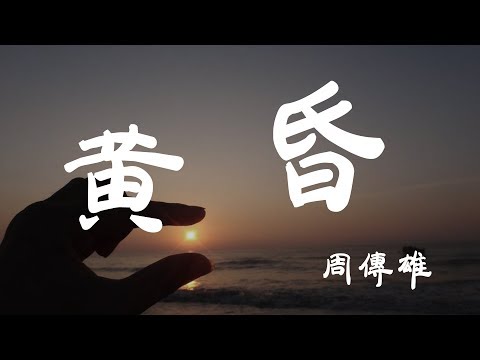
Learn with 黄昏
This guide uses the song’s repeated twilight-and-parting imagery to build Mandarin reading skills from a short, emotional lyric. You’ll practice how the lines move from fatigue and memory to separation and closure.
What to listen for
The lyrics move through a sequence of tiredness, remembered words, tears, and repeated twilight images, with each return to the chorus reinforcing how the song frames separation. The language stays vivid but compact: everyday verbs like 记得, 说出, 滑落, and 划出 are paired with stronger images such as 永夜 and 烧伤的错觉, so the song is useful for learning how Mandarin lyric lines compress feeling into metaphor.
- Recognize how repeated chorus lines build meaning through small changes in surrounding context.
- Understand several common verbs and compounds used to describe memory, speech, movement, and separation.
- Read metaphorical lyric lines without over-literal translation.
How the song moves
Opening verse
The song begins with time passing, sadness that has not improved, and a driving scene that suggests distance and disconnection.
First chorus
The repeated twilight image turns into a statement about love moving from beauty toward night and separation.
Second verse and chorus cycle
Memories of what was said and seen return, then the lines repeat the same twilight-and-parting pattern with stronger emotional loss.
Translation choices
过完整个夏天
- Natural English
- I made it through the whole summer.
- Why
- 过完整个夏天 describes completing or getting through a time period, so 'made it through' keeps the sense of endurance without adding extra detail.
黄昏再美终要黑夜
- Natural English
- However beautiful twilight is, night will always come in the end.
- Why
- 终要 marks a necessary ending, and 'will always come in the end' sounds natural while preserving the song’s contrast between beauty and inevitability.
爱情进入永夜
- Natural English
- Love has already faded away.
- Why
- 爱情进入永夜 is highly metaphorical; 'faded away' is a concise natural rendering of the relationship no longer continuing, without overstating the image as literal darkness.
Useful Mandarin from the song
This pattern is a clear way to state that something expected has not happened, and it carries a firm negative tone in the lyric.
依然 adds 'still,' emphasizing that the memory remains unchanged over time.
Here it works metaphorically: a line is 'drawn' to represent parting. The verb is useful outside this song for physical lines or marks.
滑落 describes something moving downward smoothly, and in this lyric it describes tears falling from the eyes.
Listen closely
- Notice how the repeated line 黄昏的地平线 introduces each later section and helps you hear the song’s structure.
- Listen for the contrast between everyday wording like 说出 and more metaphorical phrases like 永夜 and 烧伤的错觉.
- Pay attention to the repeated short lines such as 伤心欲绝, which land like emotional punctuation before the next image.
Check your understanding
In the line 依然记得从你口中说出,再见坚决如铁, what does 坚决如铁 add to 再见?
Show answer
It means the goodbye was very firm and unwavering.
Which line uses twilight to express the move from beauty to ending?
Show answer
黄昏再美终要黑夜。