
Mandarin learning guide
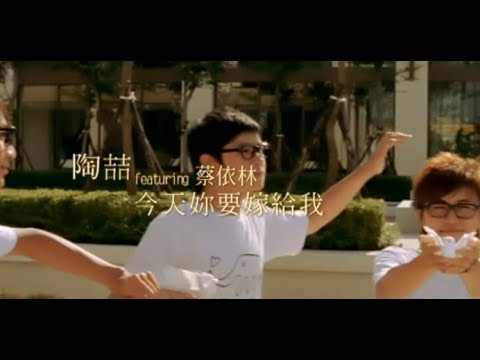
Learn with 今天妳要嫁给我
This guide follows the song’s direct, repeated proposal lines and the surrounding movement from seasonal images to marriage vows. You’ll practice everyday phrases for love, commitment, and time words like 今天 and 明天.
What to listen for
The lyrics move from springtime images and sudden affection into a direct marriage proposal, then into formal vow language and a repeated chorus. For Mandarin learning, the song is useful because it combines simple, memorable phrases with clear contrasts between past, present, and future, plus a few useful verbs and patterns for asking, promising, and describing a relationship.
- Recognize how the song shifts from descriptive lines to a direct proposal.
- Understand how 今天, 昨天, and 明天 frame the emotional decision in the lyrics.
- Use common relationship phrases like 手牵手 and 把…交给… in simple sentences.
How the song moves
Opening atmosphere
The lyrics begin with short vocal fillers and springtime images that create a gentle setting before the main message appears.
Love becomes direct
The middle lines move from describing attraction and memories to the repeated proposal 今天妳要嫁给我 and the vow-like requests that follow.
Formal vows and chorus
The later section introduces ceremony language, then returns to the repeated chorus line to reinforce the proposal.
Translation choices
今天嫁给我好吗 (
- Natural English
- Will you marry me today?
- Why
- This keeps the line as a direct question in English, matching the polite, proposal-like tone of 嫁给我 here.
昨天不要回头 明天要到白首
- Natural English
- Don’t look back at yesterday; tomorrow is for growing old together.
- Why
- The lyric contrasts moving on from the past with a future of lifelong commitment, so this rendering preserves that forward-looking sense.
叮当 听著礼堂的钟声
- Natural English
- Ding-dong, listen to the bells in the hall.
- Why
- 叮当 here is a sound effect, and the line points to the ceremony setting by mentioning the hall’s bells; this translation stays close to that scene.
Useful Mandarin from the song
嫁给 appears in a direct relationship context and is useful for forming marriage-related sentences.
This fixed phrase describes two people holding hands and moving together; it works well in romantic or cooperative contexts.
把 marks the object before the verb, and 一生 emphasizes a whole lifetime; the phrase shows a strong promise in the lyric.
Here it expresses giving responsibility or trust to another person, which fits the vow-like meaning of the lyric.
Listen closely
- Notice how 今天 and 明天 repeat to contrast the present moment with the future.
- Listen for the repeated phrase 今天妳要嫁给我, which returns as a chorus anchor.
- Pay attention to the shift from soft descriptive imagery to formal lines like 你愿意这样做吗? and yes/no response wording.
Check your understanding
Which lyric line gives the clearest direct proposal, and what does it mean in natural English?
Show answer
今天妳要嫁给我 — “Will you marry me today?”
In the line 手牵手 我们一起走, what does 手牵手 mean?
Show answer
“Hand in hand.”