
Mandarin learning guide
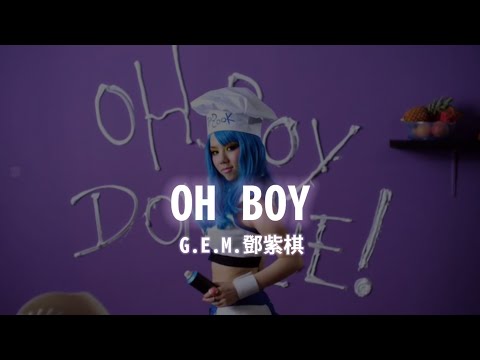
Learn with Oh Boy
This guide follows a lyric speaker who questions excuses, calls out lies, and pushes back with teasing confidence. The lines move between direct questions, sharp accusations, and repeated warnings to boys and girls.
What to listen for
The supplied lyrics build a back-and-forth voice that starts with direct questioning, then challenges excuses, names other people, and ends by repeating a warning refrain. The Mandarin is mostly spoken and confrontational, with useful everyday forms like 请问, 为什么, 别, 难道, and 你到底, plus descriptive phrases such as 幼稚的谎话 and 口水浪费了有用吗 that sharpen the speaker’s skeptical tone.
- Recognize how the lyrics ask for explanations and challenge them.
- Understand how repeated refrain lines frame the speaker’s message.
- Learn several conversational phrases for disbelief, refusal, and teasing criticism.
How the song moves
Opening refrain
The song begins with the repeated English warning to boys and girls, setting a direct, confrontational frame.
Question-and-excuse exchange
The speaker asks what happened yesterday and questions why a phone call was not answered, then gives a possible excuse and immediately doubts it.
Name-calling and comparison sequence
The lyrics list other names, compare them, and answer with self-confidence about being beautiful, capable, and financially supporting meals.
Closing challenge
The ending repeats the refrain and moves into late-night calling, stammering speech, and a final dare to see who ends up more uncomfortable.
Translation choices
请问昨天下午六点
- Natural English
- Excuse me, what were you doing yesterday at six in the afternoon?
- Why
- 请问 opens politely, but the rest of the line is a pointed, specific question; this rendering keeps both the polite opener and the suspicion in the line.
别编这种幼稚的谎话
- Natural English
- Don't tell such childish lies.
- Why
- 别编 is a direct command not to make up something, and 幼稚的谎话 narrows it to childish lies; the translation preserves the sharp accusation.
结结巴巴 求我听你连篇鬼话
- Natural English
- Stuttering, begging me to listen to your nonsense.
- Why
- 结结巴巴 describes the broken speech, 求我听 means pleading for me to listen, and 连篇鬼话 suggests a stream of nonsense; this keeps the whole effect in one natural sentence.
Useful Mandarin from the song
A polite opener used before asking a question, even when the question is tense or direct.
A basic question word for asking the reason behind an action or event.
别 plus a verb makes a direct prohibition. Here it warns the other person not to fabricate a story.
Used here in 你到底什么眼光 to intensify the question and show frustration or disbelief.
Listen closely
- Listen for how 请问 softens a question before the speaker turns suspicious.
- Notice the repeated refrain Hey Boys dont lie / Hey Girls dont cry as a frame between sections.
- Pay attention to the rapid shift from teasing concern to open disbelief in lines like 别编这种幼稚的谎话 and 你到底什么眼光.
Check your understanding
Which line shows the speaker rejecting a made-up excuse?
Show answer
别编这种幼稚的谎话。
What does 你到底什么眼光 ask in this lyric?
Show answer
It questions the other person’s judgment or taste in a sharp, disbelieving way.