
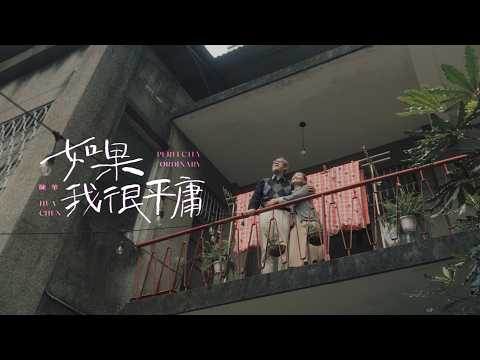
如果我很平庸 (Perfectly Ordinary)

Ru Guo Wo Hen Ping Yong

这世界有太多声音 好多的提醒和关心
zhè shì jiè yǒu tài duō shēng yīn hǎo duō de tí xǐng hé guān xīn
This world has too many voices, countless reminders and concerns.
他们说要好好照顾自己 别让他们担心
tā men shuō yào hǎo hǎo zhào gù zì jǐ bié ràng tā men dān xīn
They say to take good care of yourself, so as not to worry them.
这几年拥有的情绪 我都让它过于安静
zhè jǐ nián yōng yǒu de qíng xù wǒ dōu ràng tā guò yú ān jìng
The emotions I've had in these years, I let them be too quiet.
把泥泞难走的风景 都收进 无人的日记
bǎ ní nìng nán zǒu de fēng jǐng dōu shōu jìn wú rén de rì jì
I collect the difficult, muddy landscapes into a diary left unwritten.
还行还行
hái xíng hái xíng
I'm alright, I'm alright.
我问自己
wǒ wèn zì jǐ
I ask myself.
如果我很平庸 你会不会听我说
rú guǒ wǒ hěn píng yōng nǐ huì bú huì tīng wǒ shuō
If I'm very ordinary, would you listen to me?
可你只是路过 没空听 我的如果
kě nǐ zhǐ shì lù guò méi kòng tīng wǒ de rú guǒ
But you're just passing by, too busy to hear my 'what if.'
如果我很平庸 是不是可以脆弱
rú guǒ wǒ hěn píng yōng shì bú shì kě yǐ cuì ruò
If I’m very ordinary, can I still be fragile?
可谁能允许我 允许我 一无所有 一无所有
kě shuí néng yǔn xǔ wǒ yǔn xǔ wǒ yī wú suǒ yǒu yī wú suǒ yǒu
But who can allow me, permit me to have nothing at all?
下次要好好拥抱自己
xià cì yào hǎo hǎo yōng bào zì jǐ
Next time, I must hug myself well.
这几年拥有的情绪 我都让它过于安静
zhè jǐ nián yōng yǒu de qíng xù wǒ dōu ràng tā guò yú ān jìng
The emotions I've had in these years, I let them be too quiet.
把泥泞难走的风景 都收进 无人的日记
bǎ ní nìng nán zǒu de fēng jǐng dōu shōu jìn wú rén de rì jì
I collect the difficult, muddy landscapes into a diary left unwritten.
还行还行
hái xíng hái xíng
I'm alright, I'm alright.
我问自己
wǒ wèn zì jǐ
I ask myself.
如果我很平庸 是谁来定义成功
rú guǒ wǒ hěn píng yōng shì shuí lái dìng yì chéng gōng
If I'm very ordinary, who defines success?
可没人告诉我 会失去 快乐笑容
kě méi rén gào sù wǒ huì shī qù kuài lè xiào róng
But no one told me I would lose my happiness and smiles.
就算我很平庸 也要找光的裂缝
jiù suàn wǒ hěn píng yōng yě yào zhǎo guāng de liè fèng
Even if I'm very ordinary, I must find the cracks of light.
我会独自记得 我的梦 没有落空
wǒ huì dú zì jì de wǒ de mèng méi yǒu luò kōng
I will remember on my own, my dreams haven't fallen short.
谁说不能平庸 优秀才有人歌颂
shuí shuō bù néng píng yōng yōu xiù cái yǒu rén gē sòng
Who says one cannot be ordinary? Only the excellent are praised.
谁说我不能 把平凡 唱成传说
shuí shuō wǒ bù néng bǎ píng fán chàng chéng chuán shuō
Who says I can't turn the ordinary into a legend?
接受我很平庸 就可以淡定从容
jiē shòu wǒ hěn píng yōng jiù kě yǐ dàn dìng cóng róng
Accepting that I am ordinary allows me to be calm and composed.
可谁能够承担 承担我的承重
kě shuí néng gòu chéng dān chéng dān wǒ de chéng zhòng
But who can bear, bear my burdens?
我的沈重
wǒ de shěn zhòng
My heaviness.

Mandarin learning guide

Learn with Perfectly Ordinary

This song keeps circling the same question: what if being ordinary does not make a person easier to hear, accept, or carry? The lyrics move between quiet self-protection and a direct wish to speak honestly.

self-description with 平庸 and 平凡; repeated question forms with 如果 and 谁; expressing quiet pressure, burden, and self-acceptance

What to listen for

The lyrics trace a speaker who has absorbed too many outside reminders, hidden emotions for years, and then asks what changes if she is simply ordinary. Across the repeated lines, the song contrasts outward quietness with an inner wish to be heard, to be allowed vulnerability, and to find some light anyway. The language stays close to everyday Mandarin, but it also uses poetic contrasts like 光的裂缝 and turning 平凡 into 传说.

  • Recognize how 如果 introduces reflective hypothetical questions in the lyric
  • Understand how 平庸, 平凡, and 允许 shape the speaker’s self-view
  • Notice how the song combines plain conversational lines with poetic noun phrases

How the song moves

Opening pressure and self-silencing

The first lines describe outside voices, care, and warnings, then shift to emotions made 'too quiet' and scenes stored away in an unwritten diary.

Core questions

The repeated center asks whether being ordinary changes how others listen, whether weakness is allowed, and who gets to define success.

Response and pushback

Later lines move toward self-acceptance and resistance, including finding light, keeping dreams in mind, and questioning why only excellence is praised.

Translation choices

如果我很平庸 你会不会听我说

rú guǒ wǒ hěn píng yōng nǐ huì bú huì tīng wǒ shuō

Natural English
If I'm very ordinary, would you listen to me?
Why
This keeps the direct hypothetical 如果 and the request-like 听我说, which is more than simply 'hear me'; it asks for attention to what the speaker says.

就算我很平庸 也要找光的裂缝

jiù suàn wǒ hěn píng yōng yě yào zhǎo guāng de liè fèng

Natural English
Even if I'm very ordinary, I still have to look for cracks of light.
Why
'Cracks of light' is a compact way to preserve 光的裂缝 as an image of searching for small openings, while keeping the determined yě yào.

谁说我不能 把平凡 唱成传说

shuí shuō wǒ bù néng bǎ píng fán chàng chéng chuán shuō

Natural English
Who says I can't turn the ordinary into a legend?
Why
This rendering matches the rhetorical challenge of 谁说我不能 and keeps 把平凡唱成传说 as a creative transformation rather than a literal statement.

Useful Mandarin from the song

如果rú guǒif

Introduces a hypothetical condition. In this lyric it opens a self-questioning scenario rather than a real event.

如果下雨,我就不出门。rú guǒ xià yǔ, wǒ jiù bù chū mén。If it rains, I won’t go out.
允许yǔn xǔto allow; to permit

Used here in the double form 允许我 允许我, which sounds urgent and pleading. It can also be used in ordinary requests or rules.

老师允许我们提早离开。lǎo shī yǔn xǔ wǒ men tí zǎo lí kāi。The teacher allows us to leave early.
就算jiù suàneven if

Marks a concessive condition: the speaker accepts one thing and still insists on another action. It often appears in resilient or contrastive statements.

就算很晚,我也要回家。jiù suàn hěn wǎn, wǒ yě yào huí jiā。Even if it’s late, I still need to go home.
to mark handling or transformation of an object

Here it frames a change from one state to another: 把平凡唱成传说. In Mandarin, 把 often highlights what is done to the object.

他把消息告诉我了。tā bǎ xiāo xī gào sù wǒ le。He told me the news.

Listen closely

  • Notice how 还行还行 sounds like a quick self-check before the lyrics turn into a deeper question.
  • Listen for repeated sentence starters such as 如果我很平庸 and 谁说, which create a questioning pattern.
  • Track the shift from quiet inward phrases like 无人的日记 to stronger, more outward lines like 也要找光的裂缝 and 唱成传说.

Check your understanding

  1. In the lyric, what feeling does 允许我表达 when it appears in 可谁能允许我 允许我 一无所有?

    Show answer

    It shows a wish for permission to be vulnerable or to have nothing without being judged.

  2. Which line uses a concessive pattern to show determination despite ordinariness?

    Show answer

    就算我很平庸 也要找光的裂缝.

Lyrics and song titles remain the property of their respective copyright holders. Pinyin annotations, English translations and editorial language notes are provided for educational and reference purposes. Rights holders may contact us through our DMCA page.