
Mandarin learning guide
Learn with 手心的薔薇
This guide follows a lyric that pairs tenderness with pain, using a rose image to show how care can hurt and still matter. You will practice reading contrast, line-by-line emotional meaning, and a few useful Mandarin expressions from the song.
What to listen for
The lyrics move between seeing someone’s sadness, offering comfort, and returning to the rose image as something beautiful but thorny. Across the song, the speaker describes hidden pain, protection, and acceptance, while repeated lines like 有我(你)在 and 不完美 另一面 多美 create a steady contrast between fear and reassurance.
- Understand how the song uses contrast to connect pain and beauty
- Recognize common expressions for comfort, fear, and emotional support
- Read repeated rose imagery as a metaphor within the lyric lines
How the song moves
Opening observation
The lyrics begin by noticing overflowing tears, hidden sadness, and eyes that do not suit frowning.
Core metaphor
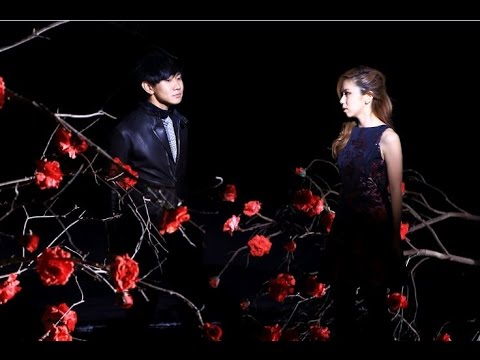
The rose in the palm appears as something beautiful that can still prick or leave scars.
Reassurance and repeat
Repeated lines shift toward support, acceptance, and the idea that being together reduces fear.
Translation choices
妳眼眶超载的眼泪 乘客是绝望和心碎
- Natural English
- Your eyes are overloaded with tears; despair and heartbreak are their passengers.
- Why
- This keeps the image of eyes as a container and renders 乘客 as a figurative “carrying” sense rather than a literal passenger, which fits the lyric's emotional metaphor.
手心的蔷薇 刺伤而不自觉
- Natural English
- The rose in the palm stings, but you don’t notice it.
- Why
- 刺伤而不自觉 is naturally expressed as a sting that goes unnoticed, preserving the contrast between pain and unawareness.
有我(你)在 什么都 无畏
- Natural English
- With you here, there’s nothing to fear.
- Why
- 有我(你)在 shorthands a condition of support and safety, and this rendering matches the concise reassurance of the line.
Useful Mandarin from the song
This verb is useful for restrained feelings or actions, and here it shows sadness being kept inside.
The phrase means something is expressed verbally; here it appears in the negative to show comfort that was not spoken.
In this lyric it marks someone as worthy of care, and it is a very useful word for judgments and recommendations.
Here it sits beside a warning about being afraid and a rose reference, showing release after holding too tightly.
Listen closely
- Listen for repeated contrast words such as 不完美, 無畏, and 但是-style tension between pain and support even when no explicit connector is used.
- Notice how the repeated rose line changes around it: first as a stinging image, later as a memory, then as something tied to letting go.
- Pay attention to bracketed alternates like 我(你), 盼我(盼你), and 有我(你)在, which shift perspective while keeping the same supportive structure.
Check your understanding
Which line shows that something beautiful can still cause pain without being noticed?
Show answer
手心的蔷薇 刺伤而不自觉.
What does 不完美 另一面 多美 emphasize in the lyric?
Show answer
It emphasizes that imperfection has a beautiful other side.