
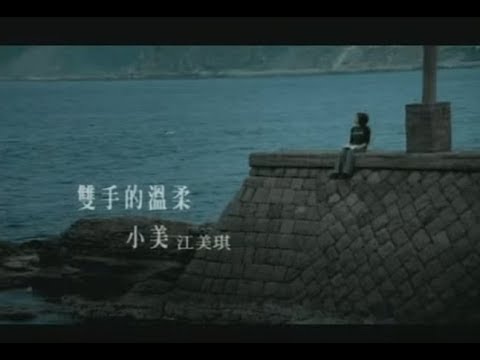
双手的温柔

Shuang Shou De Wen Rou

先别说 先别说 离开我的理由
xiān bié shuō xiān bié shuō lí kāi wǒ de lǐ yóu
Don't say it yet, don't say it yet, the reason for leaving me.
反正都将是相同的结果
fǎn zhèng dōu jiāng shì xiāng tóng de jié guǒ
In any case, the outcome will be the same.
拥抱著 拥抱著 没开口 泪先流
yōng bào zhe yōng bào zhe méi kāi kǒu lèi xiān liú
Embracing, embracing, without speaking, the tears flow first.
因为我学习著放手
yīn wèi wǒ xué xí zhù fàng shǒu
Because I am learning to let go.
偶尔抬头看天空
ǒu ěr tái tóu kàn tiān kōng
Occasionally looking up at the sky.
心还会有一阵阵难过
xīn hái huì yǒu yī zhèn zhèn nán guò
My heart still has waves of sadness.
当我习惯寂寞
dāng wǒ xí guàn jì mò
When I get used to loneliness.
才是自由的时候
cái shì zì yóu de shí hòu
That's when I am truly free.
啊 眼泪安安静静地流过
a yǎn lèi ān ān jìng jìng dì liú guò
Ah, the tears flow quietly.
相爱的时候 你说过的话还清晰在耳朵
xiāng ài de shí hòu nǐ shuō guò de huà huán qīng xī zài ěr duǒ
When we were in love, what you said is still clear in my ears.
啊 时光安安静静地走过
a shí guāng ān ān jìng jìng dì zǒu guò
Ah, time passes quietly.
偶尔回过头 曾经拥抱过的双手 还留著温柔
ǒu ěr huí guò tóu céng jīng yōng bào guò de shuāng shǒu hái liú zhe wēn róu
Occasionally looking back, the hands that once embraced still hold tenderness.
多年后 多年后 也许不再伤痛
duō nián hòu duō nián hòu yě xǔ bù zài shāng tòng
Years later, years later, perhaps there will no longer be pain.
当我们已经失去了联络
dāng wǒ men yǐ jīng shī qù le lián luò
When we have already lost contact.
可能你 可能我 在不同的角落
kě néng nǐ kě néng wǒ zài bù tóng de jiǎo luò
Maybe you, maybe me, in different corners.
依旧吹著同一阵风
yī jiù chuī zhù tóng yī zhèn fēng
Still blowing the same breeze.
偶尔抬头看天空
ǒu ěr tái tóu kàn tiān kōng
Occasionally looking up at the sky.
心还会有一阵阵难过
xīn hái huì yǒu yī zhèn zhèn nán guò
My heart still has waves of sadness.
当我习惯寂寞
dāng wǒ xí guàn jì mò
When I get used to loneliness.
才是自由的时候
cái shì zì yóu de shí hòu
That's when I am truly free.
啊 眼泪安安静静地流过
a yǎn lèi ān ān jìng jìng dì liú guò
Ah, the tears flow quietly.
相爱的时候 你说过的话还清晰在耳朵
xiāng ài de shí hòu nǐ shuō guò de huà huán qīng xī zài ěr duǒ
When we were in love, what you said is still clear in my ears.
啊 时光安安静静地走过
a shí guāng ān ān jìng jìng dì zǒu guò
Ah, time passes quietly.
偶尔回过头 曾经拥抱过的双手 还留著温柔
ǒu ěr huí guò tóu céng jīng yōng bào guò de shuāng shǒu hái liú zhe wēn róu
Occasionally looking back, the hands that once embraced still hold tenderness.
啊 时光安安静静地走过
a shí guāng ān ān jìng jìng dì zǒu guò
Ah, time passes quietly.
偶尔回过头 曾经拥抱过的双手 还留著温柔
ǒu ěr huí guò tóu céng jīng yōng bào guò de shuāng shǒu hái liú zhe wēn róu
Occasionally looking back, the hands that once embraced still hold tenderness.

Mandarin learning guide

Learn with 雙手的溫柔

This guide uses the lyric’s quiet breakup scene to study letting go, memory, and time. The language is simple but expressive, with repetition that makes the emotional movement easy to track.

Requests and refusal in a breakup; Time and memory expressions; Soft, reflective Mandarin phrasing

What to listen for

The lyric begins with a direct request to stop explaining the reason for leaving, then moves into tears, silence, and the effort to learn letting go. Later lines look back on shared speech, lost contact, and the lingering tenderness of hands that once embraced, while repeated refrains return to quiet tears and quietly passing time. The overall movement is from immediate pain toward a calmer, more distant reflection, without fully erasing sadness.

  • Recognize how the lyric softens a difficult request with repetition and negation
  • Understand common time and memory phrases such as 'when', 'later', and 'once'
  • Use a few useful Mandarin patterns for emotional narration and reflection

How the song moves

Opening request

The speaker asks the other person not to say the reason for leaving yet, and immediately accepts that the result will be the same.

Quiet sadness and acceptance

The lyric shifts to tears, learning to let go, and the idea that getting used to loneliness may be the moment of freedom.

Reflection and lingering memory

Later lines look back on past love, lost contact, and the tenderness that remains in remembered hands.

Translation choices

先别说 先别说 离开我的理由

xiān bié shuō xiān bié shuō lí kāi wǒ de lǐ yóu

Natural English
Don’t say it yet, don’t say it yet—the reason you’re leaving me.
Why
This keeps the repeated request and the directness of '离开我的理由' without adding extra emotion not present in the line.

因为我学习著放手

yīn wèi wǒ xué xí zhù fàng shǒu

Natural English
Because I’m learning to let go.
Why
'学习著' marks an ongoing process, so 'learning to' best matches the gradual tone of the line.

偶尔回过头 曾经拥抱过的双手 还留著温柔

ǒu ěr huí guò tóu céng jīng yōng bào guò de shuāng shǒu hái liú zhe wēn róu

Natural English
Looking back now and then, the hands that once embraced still hold tenderness.
Why
This rendering preserves the reflective movement of '偶尔回过头' and the lingering quality of '还留著温柔'.

Useful Mandarin from the song

先别说xiān bié shuōdon’t say it yet

A natural way to ask someone to hold back what they are about to say. The repetition strengthens the plea.

先别说,我想想。xiān bié shuō, wǒ xiǎng xiǎng。Don’t say it yet; let me think.
学习著xué xí zhùlearning; in the process of learning

This shows an ongoing action or state. Here it frames '放手' as something being learned over time.

我在学习著接受变化。wǒ zài xué xí zhù jiē shòu biàn huà。I’m learning to accept change.
多年后duō nián hòumany years later

A time expression used to move the lyric into a future-looking reflection.

多年后,我还记得这一天。duō nián hòu, wǒ hái jì de zhè yī tiān。Many years later, I still remember this day.
还留著hái liú zhestill remains; still leaves behind

This phrase highlights that something continues to exist after the original moment has passed.

桌上还留著热茶。zhuō shàng hái liú zhe rè chá。There’s still hot tea left on the table.

Listen closely

  • Listen for repeated phrases that return with the same wording: '先别说', '偶尔抬头看天空', and '啊'.
  • Notice how the lyric shifts between immediate present pain and later reflection using time markers like '当', '多年后', and '曾经'.
  • Pay attention to the contrast between '安安静静地流过' and the stronger emotion in '难过'; the delivery stays calm even when the feeling is heavy.

Check your understanding

  1. Which line shows the speaker actively trying to release the relationship?

    Show answer

    因为我学习著放手

  2. What does '多年后' introduce in the lyric?

    Show answer

    A future time of reflection, when pain may no longer remain.

Lyrics and song titles remain the property of their respective copyright holders. Pinyin annotations, English translations and editorial language notes are provided for educational and reference purposes. Rights holders may contact us through our DMCA page.