
Mandarin learning guide
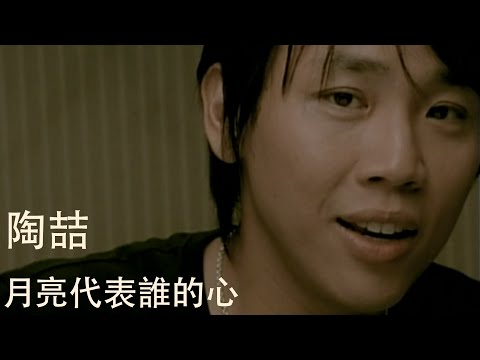
Learn with 月亮代表谁的心
This guide follows a song where moonlight, love, and uncertainty keep shifting around each other. The lyrics repeatedly ask how love should be measured, while using the moon as a simple but powerful image.
What to listen for
The lyrics move between romantic closeness and later doubt, using the moon to frame changing feelings. You will see direct expressions of love, soft descriptions of touch and singing, and then a more reflective turn toward memory, misunderstanding, and the question of whose heart the moon represents.
- Recognize how the song contrasts early romance with later uncertainty.
- Understand useful everyday phrases for asking about degree and certainty.
- Learn how repeated lines and images can carry meaning across different sections.
How the song moves
Opening mood
The song starts with moonlight and a feeling of romantic nervousness, then immediately softens into '其实原来没有怎样' to downplay what seemed intense.
Love and confession
It moves into direct declarations of love, questions about depth, and lines about staying true, creating a more intimate and emotional section.
Reflection and memory
Later lines turn toward wandering, confusion, and the idea that long-lasting love may have been a misunderstanding.
Refrain
The repeated question '月亮代表谁的心' closes the song’s thought by turning the moon image into an open question rather than a clear answer.
Translation choices
都怪那晚的月光 浪漫的让人心慌
- Natural English
- It's the moonlight that night, so romantic it makes me uneasy.
- Why
- “都怪” sounds like assigning blame in a playful way, and “心慌” is more naturally rendered as feeling uneasy or nervous rather than literally 'heart panicked.'
你问我爱你有多深 我爱你有几分
- Natural English
- You ask me how deep my love is, how much I love you.
- Why
- This keeps the repeated question structure in natural English and preserves the emotional weight of asking for a measure of love.
原来所谓地久天长 也只是误会一场
- Natural English
- So-called forever love was just a misunderstanding.
- Why
- “原来所谓” signals a revised realization, and “误会一场” is best read as a whole idea meaning it turned out to be one big misunderstanding.
Useful Mandarin from the song
Useful for softening or correcting a previous impression. It often introduces a contrast between what seemed true and what is now clarified.
A common question pattern for degree. It can be used with feelings, relationships, or other abstract things.
This phrase describes change and instability in relationships or life events. It is poetic here but can be understood as a general idea of not staying fixed.
The reduplication makes the action sound lighter and more casual. It is a very common everyday pattern for polite suggestion.
Listen closely
- Listen for how the repeated moon lines return after different emotional turns; the same image feels different each time.
- Notice the contrast between soft, intimate verbs like '唱' and '吻' and reflective wording like '误会一场' and '两茫茫.'
- Pay attention to the repeated question pattern '你问我...' / '我问你...' because it changes perspective while keeping the same structure.
Check your understanding
Which line gives a softer, more casual way to suggest checking something?
Show answer
你去看一看。
In this song, what does '有多深' help express?
Show answer
It asks about degree, especially how deep or strong a feeling is.